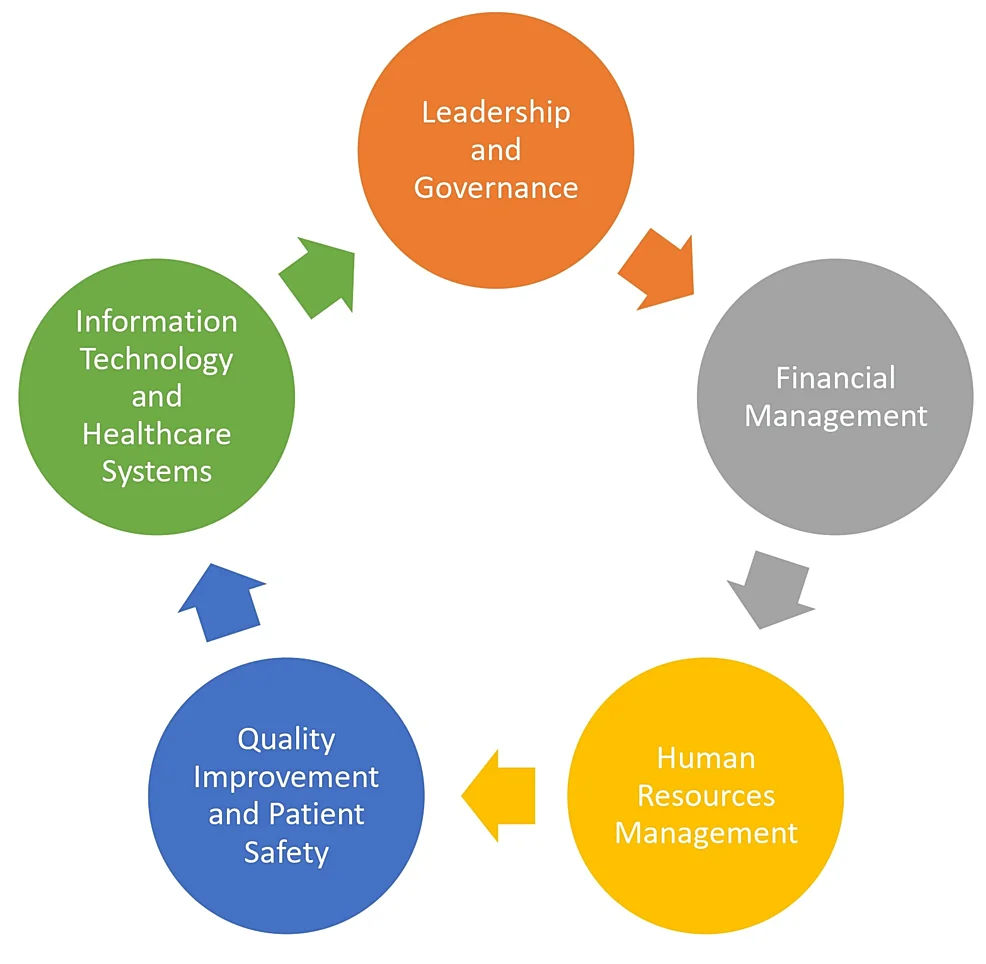
In the complex ecosystem of healthcare, Strategic Medical Leadership is often the invisible force that determines the success or failure of clinical outcomes. While the technical skill of a surgeon or dentist is vital, the environment in which they operate—shaped by management quality—dictates the consistency, safety, and overall satisfaction of the patient experience. This article explores how high-level management practices in dental centers directly translate into superior patient results, focusing on the intersection of operational excellence, clinical governance, and patient-centric care.
The Core Pillars of Clinical Governance
Quality Assurance and Standardization
Effective medical leadership establishes rigorous quality assurance protocols that move beyond basic compliance. In a high-quality dental environment, management ensures that every procedure, from a simple filling to complex full-mouth reconstructions, follows a standardized clinical pathway. This standardization minimizes human error and ensures that the “gold standard” of care is met regardless of which clinician is performing the treatment. At F Dental Center, leadership prioritizes the continuous monitoring of clinical outcomes to refine these pathways, ensuring that patient safety remains the paramount objective.
Evidence-Based Resource Allocation
Strategic management involves the intelligent allocation of resources toward technologies and materials that have a proven impact on healing and longevity. A leader’s decision to invest in digital radiography, 3D printing, or high-grade biocompatible ceramics is not just a financial choice; it is a clinical one. According to the World Health Organization (WHO), strong health management is essential for the effective delivery of health services, particularly in ensuring that clinics stay updated with the latest evidence-based advancements that reduce recovery times and improve biocompatibility for the patient.
Human Capital: Management’s Impact on Clinical Teams
Continuous Professional Development (CPD)
The quality of a medical center is only as high as the collective knowledge of its staff. Strategic leaders foster a culture of continuous learning, where dentists, assistants, and hygienists are encouraged—and funded—to pursue advanced certifications in specialized fields like implantology or sedation dentistry. When management prioritizes education, the patient benefits from the most current techniques and a team that is well-versed in handling complex or emergency scenarios with calm, practiced expertise. This investment in human capital is a direct predictor of long-term clinical success rates.
The Psychology of a High-Performance Culture
Management quality significantly affects the “emotional climate” of a dental clinic. A leadership style that promotes clear communication, psychological safety, and accountability reduces burnout among medical professionals. In a low-stress, highly organized environment, clinicians can focus entirely on the patient rather than administrative friction. This leads to higher levels of diagnostic precision and a more empathetic patient-doctor interaction. When the team is well-managed, the patient feels a sense of cohesive care where every staff member is aligned with the same health goals.
The Patient Experience as a Managed Outcome
Workflow Optimization and Patient Comfort
Strategic medical leadership views the patient journey as a holistic workflow that begins long before the patient sits in the dental chair. High-quality management optimizes scheduling to eliminate long wait times, streamlines insurance processing, and ensures that follow-up care is proactive rather than reactive. By managing these “non-clinical” variables, leadership reduces the patient’s cortisol levels and anxiety, which has been shown to improve the body’s physiological response to dental treatments and enhance the overall healing process.
Implementing Feedback Loops
A hallmark of superior medical management is the implementation of robust feedback systems. Management doesn’t just provide care; they measure its impact through patient-reported outcomes and satisfaction surveys. Key elements include:
- Outcome Tracking: Monitoring the longevity of restorations and the success rates of specific surgeries.
- Patient Communication: Ensuring clear, transparent pricing and treatment plans to build trust.
- Infection Control: Maintaining ultra-sterile environments through rigorous, audited sterilization protocols.
- Crisis Management: Having established protocols for rapid response to any clinical complications.
Expert Advice: Evaluating a Center’s Leadership
Signs of Healthy Medical Management
Patients can often detect the quality of a center’s leadership by observing the details. A well-managed facility will have a transparent patient rights policy, a clearly defined tiered system of clinical expertise, and a physical environment that is both technologically advanced and meticulously maintained. Expert advice for patients is to look for clinics where the staff seems empowered and the technology is integrated seamlessly into the consultation process. This indicates that the medical leadership has created a system designed to support both the doctor and the patient toward a common goal of oral health.
The Future of Managed Dental Care
As we move further into 2026, the role of Artificial Intelligence (AI) in dental management is becoming a key differentiator for strategic leaders. AI-driven diagnostic tools and practice management software allow for more accurate risk assessments and personalized preventative plans. Leaders who embrace these technological shifts are able to provide a level of precision medicine that was previously unattainable. Ultimately, management quality is the bridge between dental innovation and the actual improvement of a patient’s quality of life.