The phrase root canal has historically been a source of significant dental anxiety, but modern endodontics has transformed this procedure into a virtually painless, routine experience. Thanks to breakthroughs in pharmacology and digital technology, the “fear factor” associated with treating an infected tooth is now a relic of the past. This article explores the sophisticated world of modern endodontics, detailing the advanced techniques used to eliminate pain, save natural teeth, and ensure a comfortable, stress-free clinical environment for every patient.
The Evolution of Pain Management in Endodontics
Advanced Local Anesthesia and “painless root canal” Injections
The cornerstone of a stress-free root canal is profound anesthesia. Modern dentistry utilizes highly refined local anesthetics that are more potent and longer-lasting than traditional options. Furthermore, the delivery systems have evolved; many clinics now use computer-controlled local anesthetic delivery (C-CLAD) systems. These devices manage the flow rate of the anesthetic with precision, ensuring that the initial “pinch” is neutralized. By the time the procedure begins, the tooth and the surrounding tissues are completely numb, allowing the patient to remain relaxed throughout the appointment.
The Role of Dental Sedation
For patients with heightened anxiety or a strong gag reflex, sedation dentistry offers an additional layer of comfort. Options range from “laughing gas” (nitrous oxide) to oral conscious sedation, which induces a state of deep relaxation. In this state, patients remain awake and able to respond to the dentist’s instructions, but they often feel a sense of detachment and have little to no memory of the procedure afterward. This pharmacological support ensures that the psychological stress of the treatment is managed just as effectively as the physical sensation.
Technological Innovations for Precision and Speed
Microscopic Endodontics and 3D Imaging
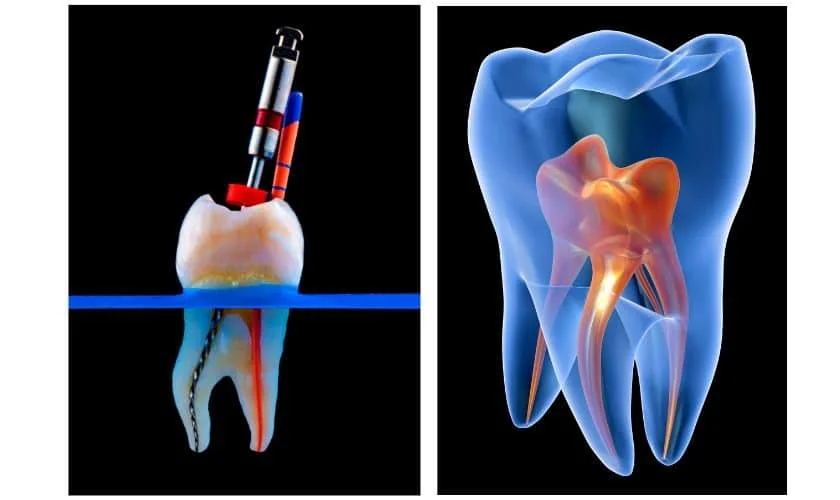
Modern root canal therapy is performed with the aid of operating microscopes and high-definition magnification. These tools allow endodontists to see the intricate, hair-thin canal systems inside the tooth that would be invisible to the naked eye. Coupled with CBCT (Cone Beam Computed Tomography)—which provides a three-dimensional view of the tooth’s internal anatomy—dentists can plan the procedure with surgical precision. This level of detail reduces the time spent in the chair and significantly increases the success rate of the treatment by ensuring no hidden canals are left uncleaned.
Rotary Endodontics and Ultrasonic Irrigation
Gone are the days of manual “hand filing” which could be noisy and time-consuming. Today, rotary endodontics utilizes flexible nickel-titanium (NiTi) files that are driven by electric motors. these files can navigate the natural curves of the root canals more smoothly and efficiently. Additionally, ultrasonic irrigation uses high-frequency sound waves to activate the disinfecting solutions within the canal. This creates a powerful cleaning action that reaches microscopic areas where bacteria might hide, ensuring a sterile environment before the canal is sealed with gutta-percha.
The Step-by-Step Painless Procedure
Clinical Protocol for Tooth Preservation
A professional root canal procedure is a systematic process designed to eliminate infection and preserve the natural tooth structure. The protocol typically includes:
- Digital Mapping: Using X-rays or CBCT to determine the exact length and shape of the roots.
- Isolation: Using a dental dam to keep the tooth dry and sterile during the procedure.
- Access and Cleaning: Creating a small opening in the crown to remove the infected pulp and nerve tissue.
- Disinfection: Flooding the canals with antimicrobial agents to kill all remaining bacteria.
- Filling and Sealing: Filling the empty canals with a biocompatible material to prevent future reinfection.
- Restoration: Usually, a dental crown is placed to protect the tooth from fractures, as endodontically treated teeth can become brittle.
Recovery and Post-Treatment Expert Advice
While the procedure itself is painless, it is normal to experience some mild “soreness” for a few days as the surrounding ligaments heal. According to the American Dental Association (ADA), this discomfort can usually be managed with over-the-counter anti-inflammatory medications. Experts advise avoiding chewing on the treated tooth until the final permanent restoration (the crown) is in place. If pain persists or swelling occurs, it is vital to contact your dental provider immediately to ensure the healing process is on track.
Why Saving Your Natural Tooth Matters
Bio-compatibility and Structural Integrity
Despite the high success rates of dental implants, nothing functions quite as well as a natural tooth. Natural teeth are surrounded by the periodontal ligament, which acts as a shock absorber during chewing and provides sensory feedback to the brain. By opting for a root canal, you maintain your natural occlusion (bite) and prevent the adjacent teeth from shifting out of place. Saving the tooth also preserves the surrounding jawbone, which can begin to resorb or “shrink” once a tooth is extracted.
Addressing the Myths of Root Canals
One of the most persistent myths is that root canals cause illness. This misconception originated from poorly designed research in the early 20th century and has been thoroughly debunked by modern medicine. A root canal actually removes the source of infection from the body, preventing the spread of bacteria into the bloodstream. Modern endodontics is a safe, highly successful procedure that allows patients to keep their smiles intact for a lifetime, provided they maintain excellent oral hygiene and regular check-ups.