While many individuals seek dental care primarily to enhance the appearance of their smile, the reality of modern dentistry reveals that professional oral hygiene is a fundamental pillar of systemic health. Moving beyond the surface-level benefits of white teeth and straight alignment, professional cleanings and check-ups serve as a diagnostic and preventative shield against a multitude of chronic conditions. This article explores the profound impact of clinical hygiene, the biological mechanisms of periodontal health, and why professional intervention is an essential biological necessity rather than a cosmetic luxury.
The Biological Impact of Biofilm and Tartar
From Plaque to Calculus: The Hard Truth
Every day, a sticky, colorless film of bacteria known as dental plaque forms on the teeth. While diligent brushing and flossing can remove much of this, plaque that is missed inevitably reacts with the minerals in your saliva to harden into calculus (tartar). Once tartar has formed, it cannot be removed by a toothbrush; it requires the specialized ultrasonic scaling tools found at a professional clinic. If left untreated, this calcified material acts as a reservoir for pathogenic bacteria, leading to persistent inflammation of the gingival tissues and the eventual breakdown of the supporting bone structure.
The Mouth-Body Connection
Scientific research has increasingly demonstrated that oral health is a window into the health of the entire body. Chronic periodontitis (gum disease) allows bacteria and their inflammatory byproducts to enter the bloodstream. According to the Mayo Clinic, poor oral hygiene is linked to several serious systemic conditions, including endocarditis, cardiovascular disease, and pregnancy complications. By prioritizing professional hygiene at F Dental Center, patients are not just cleaning their teeth; they are actively reducing the systemic inflammatory load on their bodies.
Preventative Procedures: The Professional Oral Hygiene
Ultrasonic Scaling and Root Planing
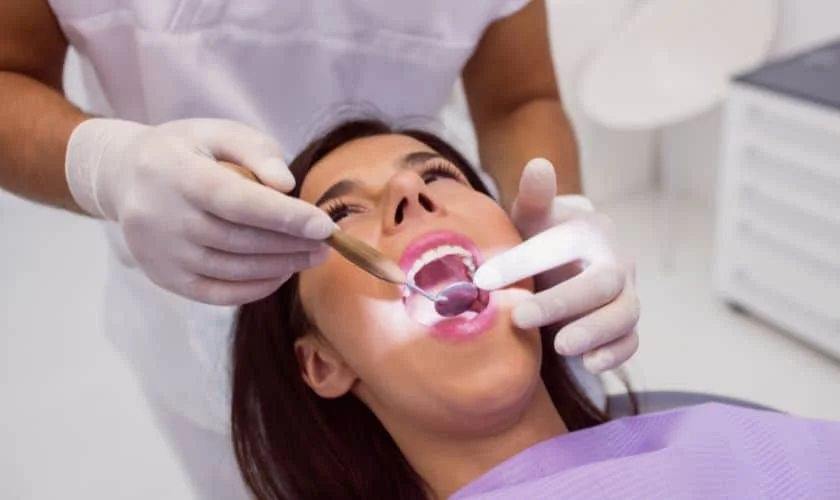
Professional hygiene visits involve more than just a quick polish. The primary procedure is ultrasonic scaling, which uses high-frequency vibrations to shatter tartar deposits without damaging the enamel. For patients showing signs of early gum disease, root planing may be necessary. This involves smoothing the root surfaces of the teeth to discourage further plaque accumulation and to allow the gum tissue to reattach firmly to the bone. This deep cleaning is the gold standard for halting the progression of bone loss and tooth mobility.
Diagnostic Screenings and Early Detection
A professional hygiene appointment is also a vital diagnostic opportunity. Dentists and hygienists perform comprehensive screenings that go beyond looking for cavities. These include:
- Oral Cancer Screening: Examining the soft tissues for lesions or abnormalities that may go unnoticed by the patient.
- Periodontal Probing: Measuring the “pockets” between the teeth and gums to detect early signs of attachment loss.
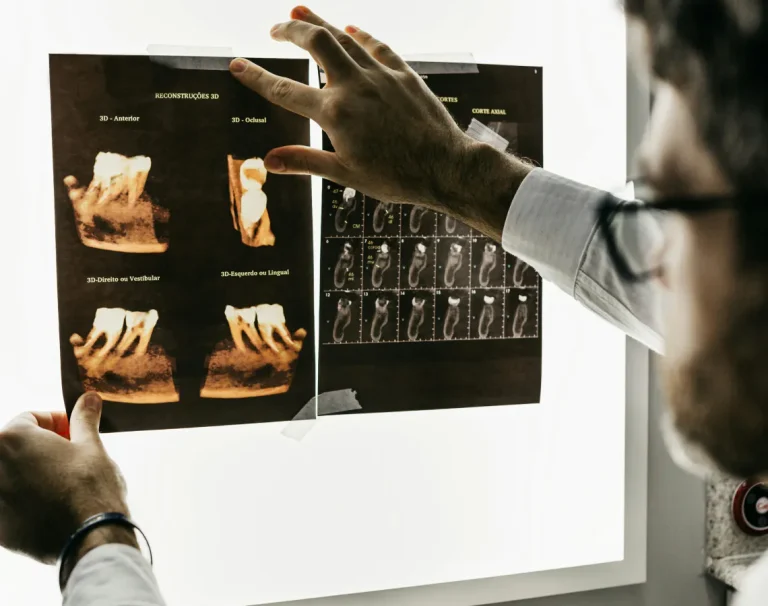
- Digital Radiography: Using low-radiation X-rays to identify interproximal decay and jawbone density issues.
- Bite Analysis: Checking for signs of bruxism (teeth grinding) which can lead to structural failure over time.
The Long-Term Value of Preventative Care
Financial and Biological Preservation
There is a significant economic advantage to maintaining regular professional hygiene appointments. Preventative care is far less expensive and invasive than restorative procedures like dental implants, root canals, or full-mouth reconstructions. By identifying a small cavity or localized gingivitis early, patients can avoid the physical discomfort and financial burden of complex surgeries. Furthermore, preserving your natural dentition is always the superior choice for maintaining facial structure and chewing efficiency as you age.
Expert Advice for Home Care Maintenance
Professional hygiene visits serve as a “reset” for your oral environment, but the success of the treatment depends on daily habits. Experts recommend a multi-faceted approach to home care to supplement professional visits. This includes the use of interdental brushes or water flossers, which are often more effective than traditional floss for reaching deep periodontal pockets. Additionally, utilizing fluoridated toothpaste helps to remineralize enamel that has been weakened by acidic bacterial byproducts, ensuring that the work done in the dental chair is preserved for as long as possible.
Addressing Common Misconceptions
“My Teeth Feel Fine, Why Should I Go?”
One of the most dangerous misconceptions in dentistry is that “no pain equals no problem.” Many oral diseases, including gum disease and early-stage oral cancer, are asymptomatic in their early stages. By the time a tooth begins to hurt, the infection has often reached the nerve, requiring a root canal or extraction. Professional hygiene is designed to intervene during the “silent” phase of disease, ensuring that minor issues do not escalate into dental emergencies.
The Safety of Professional Cleanings
Some patients worry that professional scaling might “thin” their enamel. On the contrary, modern dental instruments are designed to be extremely precise, removing only the foreign debris (tartar) while leaving the hydroxyapatite structure of the tooth intact. The perceived “gaps” some patients feel after a cleaning are actually the healthy spaces between teeth that were previously packed with swollen tissue and tartar. Restoring these spaces is essential for allowing oxygen to reach the gum line, which kills anaerobic bacteria and promotes healing.