The concept of a Hollywood Smile has evolved from a generic “one-size-fits-all” aesthetic into a highly personalized discipline known as Smile Design. This process is a sophisticated blend of dental science, facial morphology, and artistic intuition. Creating the perfect smile is not merely about whitening teeth; it involves a comprehensive analysis of facial proportions, lip dynamics, and individual personality. At its core, modern smile design aims to create a balance between functional health and breathtaking beauty, ensuring that every restoration feels as natural as it looks.
The Fundamentals of Digital Smile Design (DSD)
Precision Through Digital Imaging
The journey to a perfect smile begins with Digital Smile Design (DSD). This revolutionary technology allows dentists to capture high-resolution photos and 3D videos of a patient’s face in motion. By analyzing how the teeth relate to the lips when talking, laughing, and smiling, practitioners can create a “blueprint” that is mathematically harmonious. This digital approach eliminates guesswork, allowing patients to see a virtual preview of their results before any physical work begins. This diagnostic phase is critical to ensuring the final outcome aligns with the patient’s expectations and facial symmetry.
Facial Analysis and Proportion
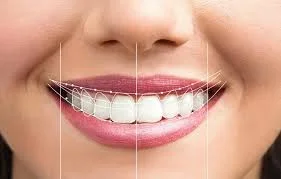
A “Hollywood” result is achieved by adhering to the principles of Golden Proportions. This involves calculating the ideal width-to-height ratio of the central incisors and ensuring the “smile line” follows the curve of the lower lip. Dentists also consider buccal corridors—the dark spaces at the corners of the mouth—and aim to fill them appropriately to provide better support for the facial tissues, often resulting in a more youthful appearance. Every detail, from the incisal edges to the gum levels, is meticulously planned to create a result that enhances the patient’s unique features rather than overpowering them.
The Masterpieces of the Smile: Dental Veneers
Porcelain Veneers vs. Lumineers
The primary tool for crafting a Hollywood smile is the dental veneer. These are ultra-thin shells of high-grade ceramic or porcelain that are bonded to the front of the teeth. Porcelain is the preferred material for high-end smile design due to its translucency and light-reflecting properties, which closely mimic natural tooth enamel. While traditional veneers may require a minimal amount of enamel reduction to ensure a flush fit, Lumineers offer a “no-prep” alternative for specific cases. The choice between these options depends on the degree of correction needed for issues like crowding, gaps (diastemas), or permanent internal staining.
The Role of Color Science
Achieving a natural look requires a deep understanding of color theory. A common mistake in amateur smile design is choosing a “refrigerator white” shade that looks artificial. Expert designers use a layered approach, incorporating subtle variations in shade and opacity. The neck of the tooth is typically slightly warmer in tone, while the biting edge (incisal edge) has a degree of opalescence. By customizing these nuances, the dentist ensures the Hollywood smile looks vibrant and healthy in all lighting conditions, from bright sunlight to professional studio flashes.
The Comprehensive Smile Transformation Process
Clinical Steps to Success
The transformation into a Hollywood-standard smile typically follows a structured clinical protocol to ensure longevity and health. Key steps include:
- Mock-up Phase: A physical “trial smile” is created using temporary material, allowing the patient to “test drive” their new look for a few days.
- Gingival Contouring: Using soft-tissue lasers to reshape the gum line, correcting a “gummy smile” and ensuring the teeth appear even.
- Preparation and Impressions: The teeth are prepared with microscopic precision, and digital scans are sent to a master ceramist.
- Bonding: The final veneers are bonded using light-cured biocompatible resins that create a permanent, durable link between the porcelain and the tooth.
Managing Risks and Maintenance
While the aesthetic results are life-changing, it is important to understand the maintenance required for such a high-end investment. According to the Mayo Clinic, dental veneers are durable but not indestructible. Patients must avoid biting into extremely hard objects and may need a night guard if they have a history of grinding. Professional maintenance is non-negotiable; regular check-ups ensure that the margins of the veneers remain healthy and that the underlying tooth structure is free from decay. With proper care, a professionally designed smile can last 15 to 20 years.
Why Choose a Specialized Smile Designer?
The Importance of Expert Lab Collaboration
A perfect smile is a collaborative effort between the dentist and the dental laboratory technician. Leading designers work exclusively with master ceramists who hand-paint each veneer. This partnership is what separates a generic “white” smile from a bespoke Hollywood masterpiece. The technician must account for the occlusion (the way teeth bite together) to ensure that the new smile is not only beautiful but also functionally sound, preventing premature wear or jaw joint issues (TMJ disorders).
Psychological and Social Benefits
The impact of a well-designed smile extends far beyond the physical. Psychological studies show that individuals who are confident in their smile tend to be more successful in social and professional settings. Smile design is an investment in self-esteem. By correcting imperfections that have caused years of self-consciousness, patients often experience a “second lease on life,” finding themselves more willing to engage in public speaking, photography, and social interactions that they previously avoided.